Mardi Himal Trek- 10 Days

Tour Info

Trip code

E-027

Starting Point/ End Point

Kathmadu

Accommodations

Lodge/ Tea House

Max Altitude

4500m

Duration

10 days

country

Trip grade

Moderate

Best Season

Spring (March–May) and Autumn (September–November)

Highlights

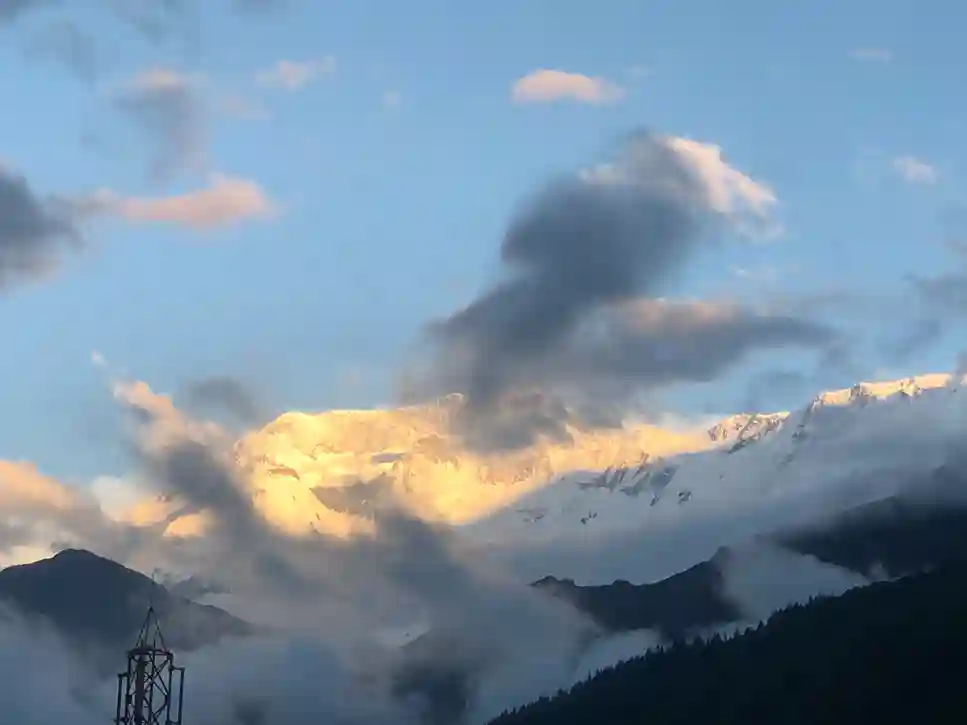
  • Enjoy breathtaking views of Mardi Himal, Machchapuchhre (Fishtail), Annapurna South, and Hiunchuli
  • Walk in peace through rhododendron, oak, and pine forests
  • Reach at the base camp of Mardi Himal at around 4,500 meters
  • Walk along scenic mountain ridges with panoramic views of the nearby Himalayan mountains
  • Enjoy the peaceful atmosphere at High Camp which lies above the forest line
  • Visit authentic mountain settlements like Landruk and Pitam Deurali
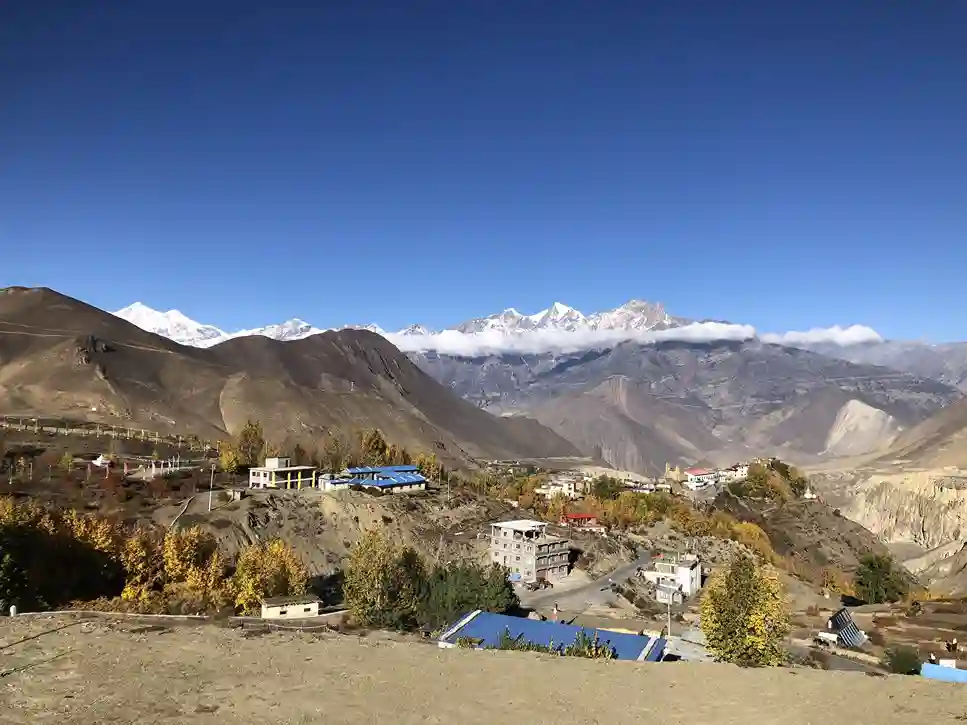
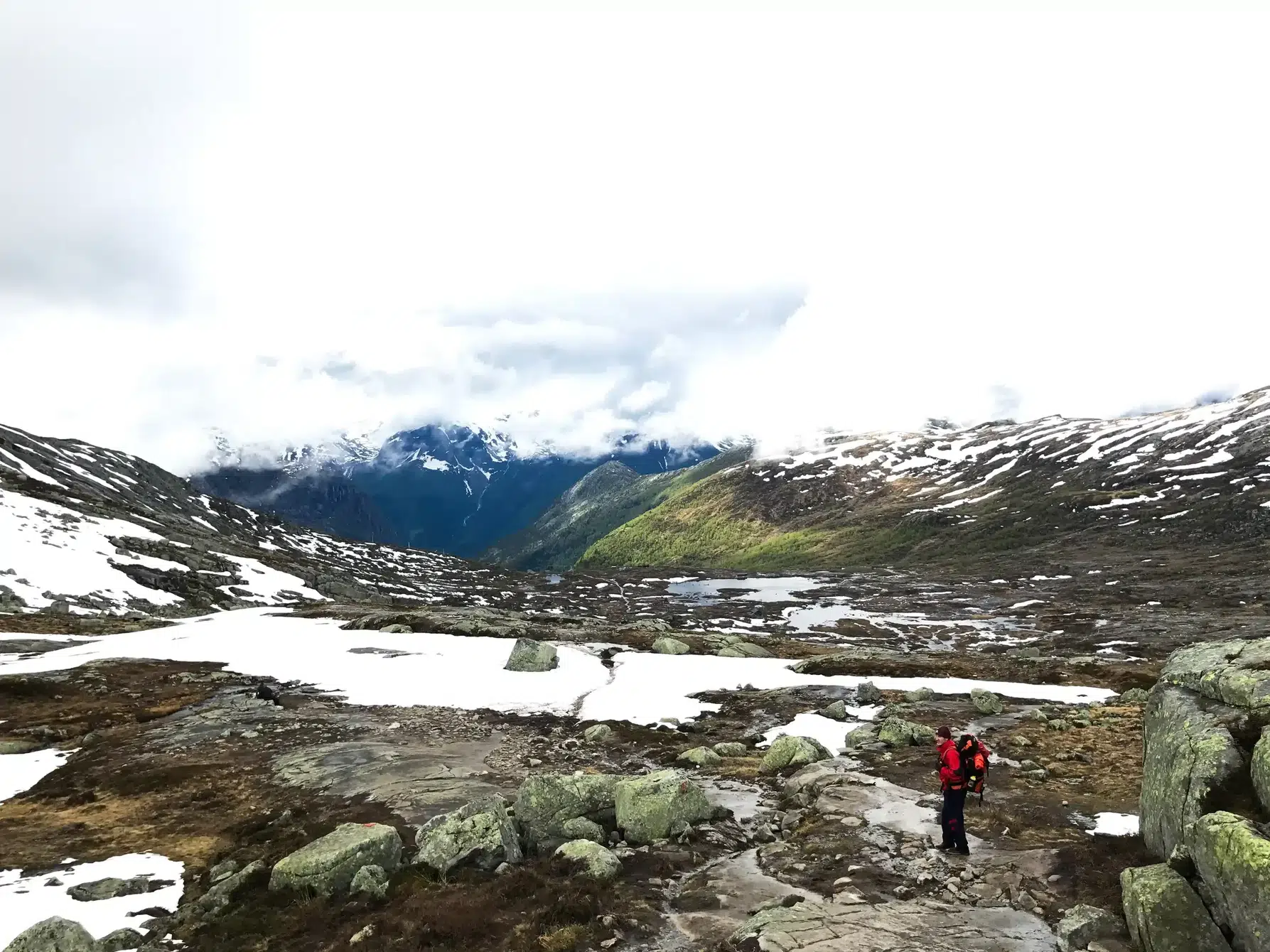
  • Experience different landscapes including green hills, forests, and rugged mountain landscapes
  • Experience the local culture and stay in basic tea houses and mountain huts
  • Have a short but exciting Himalayan trek without requiring technical mountaineering skills

Overview

The Mardi Himal Trek is a popular short trek in Nepal's Annapurna region, and famous for its mountain views, cultural heritage, and natural beauty. This route was opened to foreign trekkers around 2012 and is one of the newer trekking routes in comparison with the older Annapurna routes. Enjoy the changing landscape and high altitude environment with the trek reaching Mardi Himal Base Camp at around 4500 metres and High Camp at about 3580 metres. Mardi Himal trekking area is mainly home to Gurung and Magar communities, who have preserved their traditional lifestyle, festivals, food, clothing, and local customs. Both Hinduism and Buddhism influence the local culture, with temples, monasteries, prayer flags, and other religious practices found in the region. The area is also part of the Annapurna Conservation Area, which protects its diverse flora and fauna. You can also witness the rhododendron, oak, pine and other plants and can also be seen birds, deer, monkeys and other Himalayan flora and fauna.

Itinerary

Day 1: Arrival in Kathmandu

On your arrival in Tribhuvan International airport, Kathmandu, our representative will be waiting at the airport to take you to your hotel. Once you have checked-in you can get a rest and make yourself comfortable. If you have spare time, you can wander around the colorful Thamel area, where you can find shops, cafes, restaurants and local markets. If you arrive early and have enough time, you can also visit nearby UNESCO World Heritage Sites; such as Kathmandu Durbar Square, Swayambhunath, or Boudhanath. In the evening, there will be a short trek briefing, where you can also meet your trekking guide and fellow trekkers. Your guide will explain the Mardi Himal Trek; daily walking routine, safety tips, and other important details. After the briefing, enjoy a welcome dinner at your hotel; and get ready for the adventure ahead.

  • Max Elevation: 1400 meters (Kathmandu)
  • Travel Distance: 6 to 8 kilometers
  • Travel Hours: 20 to 30 minutes
  • Accommodaation: 3 Star Hotel
  • Meal: Dinner
Day 2: Drive to Pokhara from Kathmandu

Following breakfast, you will drive from Kathmandu to Pokhara, passing through beautiful hills in central Nepal for approximately 200 kilometers. It takes approximately 7 to 9 hours to reach, travelling through small towns, villages, green hills, farmland and the Trishuli River. You will have a lunch stop at a suitable place along the way. Once you are in Pokhara, you are dropped at your hotel and after check-in you can get some rest at your hotel. Once you have the energy, you can do a tour of the popular Lakeside region, walk along the shores of Phewa Lake, or head to local shops or cafes. Pokhara offers a relaxing environment surrounded by mountains, which is a good place for relaxing before Mardi Himal Trekking. Spend the night in a comfortable 3-star hotel in Pokhara; and rest properly for the Mardi Himal trek.

  • Max Elevation: 822 meters (Pokhara)
  • Travel Distance: 200 kilometers
  • Travel Hours: 7 to 9 hours
  • Accommodation: 3 Star Hotel
  • Meal: Breakfast, Lunch and Dinner
Day 3: Drive to Kande and Trek to Pitam Deurali

You start your day with a drive from Pokhara to Kande after having breakfast, and it takes you about an 1 hour to 1.5 hours.  Your Mardi Himal trek begins at Kande. From here, you will begin walking through beautiful forests and peaceful mountain villages. The track moves through Australian camp and Pothana then reaches Pitam Deurali. The route will involve you crossing through wooded paths, wooden steps, and open areas viewing the surrounding hills and mountains. After around 4–5 hours of walking, you will reach Pitam Deurali; where you can rest and enjoy the quiet mountain surroundings. You spend the night at a comfortable tea house or lodge in the Pitam Deurali; where you can enjoy dinner and rest for the next day's trek.

  • Max Elevation: 2,100 meters (Pitam Deurali)
  • Travel Distance: 8 to 10 kilometers
  • Travel Hours: 4 to 5 hours
  • Accommodation: Tea house /Lodge
  • Meal: Breakfast, Lunch and Dinner
Day 4: Trek to Forest Camp

From Pitam Deurali, the trail heads straight into the oak and rhododendron forests before rising slowly to reach the Forest Camp also known as Kokar. The walking is mostly uphill, with some steeper sections along the way. During spring, the forest is known for its blooming rhododendrons, while different birds can also be seen in the area. The forest is quieter as the elevation rises and the temperature begins to fall. There are occasional open sections where you can get views of the surrounding hills. You arrive at Forest Camp after approximately 4 to 5 hours of hiking at 2520 meters. The settlement has several tea houses and lodges that provide basic accommodation and meals for trekkers. It is an important stopover on the way to the higher parts of the Mardi Himal route as well. In the evening, you can spend time relaxing at the lodge, and preparing for the next day's walk toward Low Camp.

  • Max Elevation: 2,520 meters (Forest Camp)
  • Travel Distance: 7 to 8 kilometers
  • Travel Hours: 4 to 5 hours
  • Accommodation: Tea house /Lodge
  • Meal: Breakfast, Lunch and Dinner
Day 5: Trek to High Camp from Forest Camp

From Forest Camp it moves gradually up above the timberline and into an open mountain landscape to reach High Camp. As you ascend the forest becomes less dense along the sides, and at the higher elevations, trees and shrubs are shorter and more widely spaced, and the rhododendrons are more succulent. After another few hours you arrive at the Low Camp at approximately 2970 meters. Views open from here with the views of Machhapuchhre (Fishtail), Annapurna South and surrounding hills of Annapurna on clear days. The trail then follows the ridge further to High Camp. As the trail climbs higher it starts to become steeper and rocky, so a slow pace is advisable. The vegetation also becomes more limited as the landscape changes to alpine terrain. High Camp is one of the highest overnight camps on the Mardi Himal route, achieved around 3,580 meters. The area can be cold, especially in the evening, so you can rest indoors and keep warm. If the weather is clear, the evening offers good views of the surrounding mountains. Proper layers and a warm sleeping bag are important for a comfortable overnight stay at this cool altitude.

  • Max Elevation: 3,580 meters (High Camp)
  • Travel Distance: 8 to 9 kilometers
  • Travel Hours: 5 to 6 hours
  • Accommodation: Tea house /Lodge
  • Meal: Breakfast, Lunch and Dinner
Day 6: Visit Mardi Himal Base Camp and Trek to Low Camp

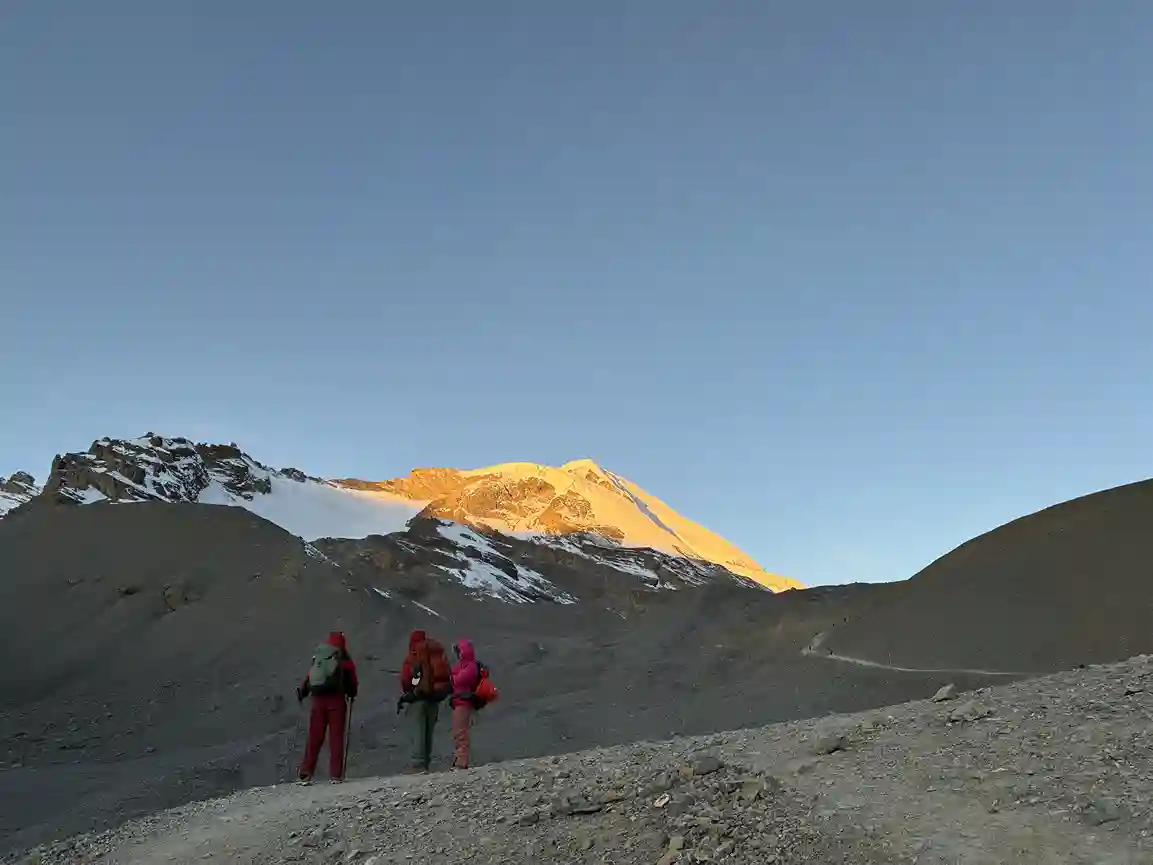
An early start is recommended as you head from High Camp toward Mardi Himal Base Camp. The trail follows the ridge and gradually becomes more rocky and open as you leave the vegetation behind. Some sections are steep and uneven, so it is important to walk carefully and maintain a steady pace at this altitude. The path then crosses over boulders and hard rocks to arrive at Mardi Himal Base Camp (4500 meters). From the upper portions of the trail you can see Mardi Himal, Fistail (Machapuchhre), Annapurna South and Hiunchuli on a clear day. After spending some time at the base camp and having lunch, you will begin the descent. The return then moves along the same route back to High Camp and then back down to Low Camp at approximately 2970 meters. After reaching Low Camp, you can relax, enjoy your dinner, and recover from the long day of walking at the tea house or lodge.

  • Max Elevation: 4,500 meters (Mardi Himal Base Camp)
  • Travel Distance: 10 to 12 kilometers
  • Travel Hours: 7 to 8 hours
  • Accommodation: Tea house /Lodge
  • Meal: Breakfast, Lunch and Dinner
Day 7: Trek to Landruk

The trail descends from Low Camp toward Landruk, taking you back into greener and warmer surroundings. The route crosses through woodland, village and hillside paths, the scenery along the way varying significantly as you start to descend. You pass through Forest Camp and other small villages in the mountains before arriving at the lower villages. Although the elevation continues to drop, the course is not straight, it has both downhill and short uphill stretches so the walk is moderately active. Landruk is a typical Gurung village located in the Annapurna region at approximately 1565m. The village is famous for its stone architecture, sloping farmlands and the surrounding hills and mountains. It's also a popular stopping point during treks between the Mardi Himal and the Annapurna Base Camp. Once you arrive at Landruk, you will spend a night at the local tea house or lodge where you will eat a hot meal and can leisurely wander about the village or lounge after a hard day of descent.

  • Max Elevation:  1,565 meters (Landruk)
  • Travel Distance: 10 to 12 kilometers
  • Travel Hours: 5 to 6 hours
  • Accommodation: Tea house /Lodge
  • Meal: Breakfast, Lunch and Dinner
Day 8: Drive Back to Pokhara from Landruk

The morning begins with breakfast at the lodge in Landruk, followed by a drive back to Pokhara. As you slowly make your way out of the mountain region, you will wind through villages using the steps of the hills, slope farms, and green hills. Depending on the road conditions, the journey takes around 2.5 to 3.5 hours. After reaching Pokhara, you check-in into your 3-star hotel and relax a bit after the long trekking. You can even go to Phewa Lake, Lakeside, and other local restaurants or cafes for exploring the city, if you wish to spend some time in Pokhara. Spend your evening having a good dinner and an easy time at Pokhara.

  • Max Elevation: 822 meters (Pokhara)
  • Travel Distance: 55 kilometers
  • Travel Hours: 2.5 to 3.5 hours
  • Accommodation: 3 Star Hotel
  • Meal: Breakfast, Lunch and Dinner
Day 9: Drive back to Kathmandu

After breakfast, you leave Pokhara and begin the drive back to Kathmandu. The route moves along the Prithvi Highway, crossing rivers, green hills, small towns and local settlements. You will have a lunch stop at a suitable place along the way before continuing toward the Kathmandu Valley. This drive typically takes about 7-9 hours depending on traffic and road conditions. After the long journey you will arrive at Kathmandu and check in at your 3-star Hotel where you would get time to rest. In the evening, you can relax at the hotel or visit Thamel for some last-minute shopping, local food, or a short walk. Dinner will be provided in the hotel so you will have a leisurely evening at the end of the day before you head out the next morning.

  • Max Elevation: 1400 meters (Kathmandu)
  • Travel Distance: 200 kilometers
  • Travel Hours: 7 to 9 hours
  • Accommodation: 3 Star Hotel
  • Meal: Dinner
Day 10: Final Departure

Your Mardi Himal Trek comes to an end today. After breakfast, you can take some time to prepare your luggage and complete your final check-out from the hotel. Our representative will meet you at the hotel and drive you to Tribhuvan International Airport; where you will board your onward flight. Make sure you have your passport, flight documents, and personal belongings with you before leaving the hotel. If you have a later flight, you also might have some time to do that last-minute shopping or visit nearby spots before you travel to the airport. We hope you return home with good memories of the Mardi Himal Trek, the Annapurna region, and your time in Nepal.

  • Max Elevation: 1400 meters (Kathmandu)
  • Travel Distance: 6 to 8 kilometers to the airport
  • Travel Hours: 20 to 30 minutes
  • Meal: Breakfast

Trek Route

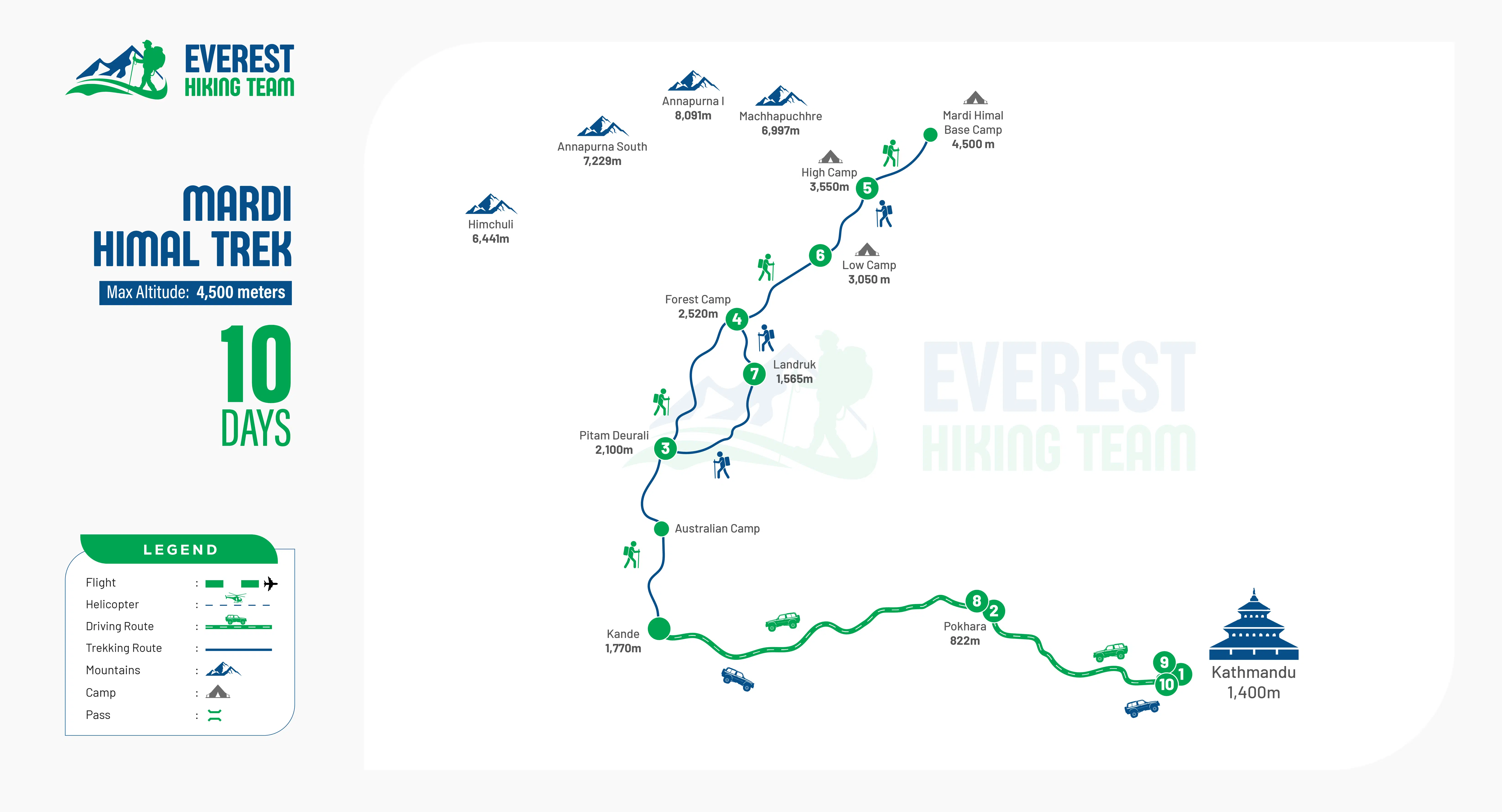
Mardi Himal Trek- 10 Days route image

What's included

  • Private vehicle transfer to and from Pokhara to Kande and from Landruk to Pokhara.
  • Airport pick-up and drop-off services by private vehicle.
  • All the group transportation from kathmandu-pokhara-kathmandu an AC Deluxe tourist bus.
  • 2 Nights hotel accommodation in kathmandu.
  • 2 Nights hotel accommodation in Pokhara.
  • Three meals per day on the trek (breakfast, lunch, and dinner with the 3 cup of tea or coffee)
  • Clean and comfortable tea house or lodge accommodation during the trek
  • One experienced, English-speaking, government-registered, and first-aid-trained trekking guide
  • One porter for every two to three trekkers
  • Guide and porter costs such as equipment, insurance and salary, etc. plus food and lodging costs
  • Annapurna Conservation Area Permit (ACAP)
  • Trekker's Information Management System (TIMS) card
  • Documents and permits required for trekking purposes
  • Government and local taxes

What's excluded

  • International airfare
  • Nepal entry visa fee
  • meals in Kathmandu and Pokhara 
  • Personal trekking equipment and clothing
  • Travel insurance
  • Emergency medical treatment, rescue, or helicopter evacuation
  • Drinking water, mineral water, soft drinks, tea, coffee, and other beverages
  • Hot showers and laundry during the trek
  • Snacks and dessert based on personal preference
  • Personal expenses and shopping
  • Tips for the trekking guide and porter
  • Additional expense due to landslides, weather, road closures, strikes, sickness,
  • government policy shifts, or unforeseen events
  • Any service or expense not listed under cost inclusion

Packing List

It becomes essential for the Mardi Himal Trek to pack up the appropriate gear to have a pleasant experience. Weather conditions can change at any moment as one progresses through the higher altitudes, which may include cold weather, wind, rain, and many other possibilities. Packing warm clothing, a pair of trekking shoes, something to protect from the rain, and other essentials becomes crucial for an easier trekking experience.

Head and Face

  • Warm hat and sun hat
  • Headlamp and extra batteries
  • Sunglasses with good UV protection
  • Sunscreen (SPF 40 or higher)
  • Lip balm with SPF
  • Neck gaiter or scarf
  • Face wipes and small towel

Clothing and Body Gear

  • Lightweight trekking T-shirts, preferably quick-drying
  • Thermal innerwear
  • Fleece jacket or warm sweater
  • Down jacket
  • Waterproof or windproof jacket
  • Rain jacket or poncho
  • Lightweight trekking pants
  • Warm trekking socks
  • Lightweight gloves
  • Warm insulated gloves or mittens
  • Comfortable trekking boots with good grip
  • Camp Shoes or Sandals
  • Crampons (optional, depending on season and trail conditions)
  • Trekking poles
  • Sleeping bag

Essential Gear

  • Day backpack (30 liters or more)
  • Backpack rain cover
  • Duffel bag for main luggage
  • Reusable water bottles
  • Insulated or thermal water bottle
  • Water purification tablets or filter

Personal toiletries

  • Toothbrush and toothpaste
  • Shampoo
  • Biodegradable soap or laundry soap
  • Hand sanitizer
  • Deodorant
  • Quick-dry towel
  • Personal Accessories
  • Mobile phone and charger
  • Extra camera batteries (if required)
  • Power bank
  • Wallet with enough Nepali cash
  • Passport
  • Passport photocopies
  • Extra passport-size photos
  • Small padlocks
  • Zip-lock or plastic bags for organizing items
  • Wristwatch
  • Small sewing kit

Basic First-Aid Kit

  • Band-aids
  • Elastic bandages
  • Moleskin or blister patches
  • Gauze and cotton
  • Antiseptic solution or antibacterial cream
  • Medical tape
  • Paracetamol or other basic pain reliever
  • Personal prescription medicines
  • Thermometer
  • Oral rehydration salts
  • Nausea medication as prescribed or recommended
  • Diarrhea medicine (if advised by a healthcare professional)

Frequently Asked Questions

How difficult is the Mardi Himal Trek?

The Mardi Himal Trek is considered a moderate trek. No technical climbing skills are needed, but you should be able to walk for several hours a day. Good fitness and preparation are useful as some sections are steep, particularly at High Camp and Mardi Himal Base Camp.

What is the best time for the Mardi Himal Trek?

The spring and autumn season are the ideal time to do the Mardi Himal Trek. You can expect clear mountain views, warm temperatures and fine trail conditions in March to May and September to November. These seasons are when you can enjoy the mountains, forests, villages and the open landscapes along the route.

How high is Mardi Himal Base Camp?

Mardi Himal Base Camp is located at around 4,500 meters above sea level. The altitude makes the final part of the trek more challenging. It is essential to maintain a balanced pace, hydrate yourself; and get proper rest, during the trek with the help of your guide.

Do I need previous trekking experience for Mardi Himal?

There is no need for the trekkers to have any previous experience in trekking for the Mardi Himal Trek. However, you should have a reasonable level of fitness because you will walk for several hours on mountain trails. If possible, walk, hike or engage in some basic cardiovascular exercise before the journey that will help prepare for the trip.

What permits are required for the Mardi Himal Trek?

Trekkers must have necessary permits to take the Mardi Himal trek such as an Annapurna Conservation Area Permit (ACAP) and TIMS permit. These permits are used to regulate the number of trekkers and for conservation in the region. When you travel with a trekking company; typically the permits are arranged by the trekking company.

What type of accommodation is available during the trek?

During the Mardi Himal Trek, you will stay in local tea houses and lodges along the trail. The rooms are generally simple and comfortable; with basic facilities. Shared bathrooms will be provided in certain areas. As the elevation increases, the accommodations get simpler because of the remote setting of the mountains.

What should I pack for the Mardi Himal Trek?

Comfortable trekking clothes, warm layers, coat that you can waterproof, boots for trekking, gloves, hat, sunscreen, sunglasses, water bottle, headlamp, personal medicines. Other items that are helpful for the trek are a sleeping bag, trekking poles, power bank and basic first aid supplies.

Is Mardi Himal Trek suitable for beginners?

Absolutely, the Mardi Himal Trek can be appropriate for novices who are physically fit and ready for mountain strolling. The trek does not require any technical climbing skills. However, there are days that you will be on a long hike and on a few different sections, so there is a need for regular exercise and good preparation.

User Review